Alcohol's Impact on Blood Sugar

Did you know that understanding the relationship between alcohol and diabetes can significantly impact your health choices? Knowing how alcohol affects your blood sugar levels is crucial for effective diabetes management.
What You Will Learn
- Alcohol can both raise and lower blood sugar levels, depending on various factors, including the type of alcohol consumed.
- Type 1 diabetics face a higher risk of hypoglycemia, while type 2 diabetics may have varied responses based on their overall health.
- Monitoring blood sugar levels before, during, and after drinking is essential for safe consumption.
- Consulting with a healthcare provider for personalized advice about alcohol intake is crucial for managing diabetes effectively.
Alcohol's Dual Impact on Blood Sugar
Alcohol consumption can significantly influence blood sugar levels, presenting both immediate and delayed effects, particularly for individuals managing diabetes.
Short-Term Effects: Glycemic Fluctuations
Initial Blood Sugar Rise
Sugary mixed drinks can cause an immediate spike in blood glucose levels.
Delayed Blood Sugar Drop (Hypoglycemia)
Liver prioritizes alcohol metabolism over glucose regulation, especially on an empty stomach.
Masked Hypoglycemia Symptoms
Alcohol can obscure signs of low blood sugar, delaying appropriate response.
Long-Term Considerations: Management & Risks
Diabetes Type Differences
Type 1: Higher hypoglycemia risk. Type 2: Varied response based on metabolic health.
Medication Interactions
Some diabetes medications increase hypoglycemia risk when combined with alcohol.
Chronic Drinking Risks
Can worsen diabetes control, lead to weight gain, increased blood pressure, and liver damage.
Understanding the Relationship Between Alcohol and Diabetes Management
When it comes to managing diabetes, understanding the impact of alcohol is crucial. Many people are unsure how drinking might affect their blood sugar levels, especially if they are living with diabetes. In this section, I’ll break down the relationship between alcohol and diabetes to help you make informed choices.
It's essential to grasp how alcohol interacts with our bodies. The effects of alcohol on blood sugar levels can vary significantly, and knowing these dynamics can aid you in managing your condition better.
How Alcohol Impacts Blood Sugar Levels
Alcohol can have both short-term and long-term effects on blood glucose. When you consume alcohol, it can influence blood sugar in various ways depending on several factors, including the type of alcohol and your overall health.
- Alcohol can initially raise blood sugar levels, particularly with sugary mixed drinks.
- It can also lead to a drop in blood sugar levels later, especially if consumed on an empty stomach.
- The liver plays a vital role in regulating blood sugar and metabolizing alcohol, which can complicate things.
Understanding these impacts is a step toward responsible alcohol consumption. In fact, individuals with diabetes need to be especially careful, as excessive drinking can lead to dangerous fluctuations in blood sugar.
The Mechanism of Glucose Regulation and Alcohol Metabolism
When alcohol enters your bloodstream, your liver prioritizes metabolizing it over regulating glucose. This means that while your liver is busy breaking down the alcohol, it might not be responding to your body's glucose needs effectively. This can cause your blood sugar to drop, especially if you haven't eaten. It's a delicate balance!
For those of us managing diabetes, this mechanism can present challenges. If you consume alcohol, it’s important to monitor your blood sugar levels closely, especially if you’re also taking insulin or other diabetes medications. The National Institutes of Health (NIH) provides further insights into alcohol metabolism and its physiological effects.
Understanding Hypoglycemia Risk in Diabetics
Hypoglycemia, or low blood sugar, can be a serious concern, particularly for diabetics. Drinking alcohol can mask hypoglycemia symptoms, making it harder to recognize when your blood sugar is dropping.
- Symptoms of hypoglycemia include dizziness, confusion, and sweating.
- Alcohol can impair your judgment, making it difficult to respond appropriately to low blood sugar.
- Always carry some form of fast-acting sugar, like glucose tablets, when drinking!
Recognizing the signs of hypoglycemia is essential for anyone with diabetes. This understanding can empower you to enjoy social situations without compromising your health.
Differentiating Between Type 1 and Type 2 Diabetes
Not all diabetes types respond to alcohol consumption in the same way. It’s crucial to understand these differences to make informed choices about drinking.
- Type 1 diabetics often need to be more cautious, as they are dependent on insulin and may face a higher risk of hypoglycemia.
- Type 2 diabetics can have a varied response depending on their individual metabolic health and the medications they take.
These distinctions highlight the importance of personalized approaches to alcohol consumption for anyone managing diabetes.
How Each Type Responds to Alcohol Consumption
Type 1 diabetes can lead to quicker spikes and drops in blood sugar levels after alcohol consumption, making it necessary for individuals to monitor their levels more frequently. On the other hand, those with type 2 diabetes might experience different effects based on their insulin sensitivity and overall glucose control. Research published by the American Physiological Society suggests that heavy alcohol use may increase the risk of type 2 diabetes in middle-aged adults, highlighting the long-term implications.
I encourage you to have a conversation with your healthcare provider about your specific situation. They can offer individualized advice on alcohol consumption based on your type of diabetes.
Medication Interactions: What You Need to Know
If you’re managing diabetes with medication, it’s vital to understand potential interactions between your medications and alcohol. Here are a few key points:
- Some diabetes medications can increase the risk of hypoglycemia when combined with alcohol.
- Others may have no interaction, but can still affect your overall health.
- Always consult with your healthcare provider for personalized advice!
By understanding these interactions, you can make safer choices when it comes to drinking alcohol while managing diabetes.
The Role of Insulin and Metabolism in Alcohol Consumption
Let’s discuss how insulin sensitivity interacts with alcohol. For those of us with diabetes, insulin plays a crucial role in how our bodies react to blood sugar changes, especially during drinking.
Alcohol can affect insulin levels, which in turn can significantly impact how your body processes blood sugar. This effect is vital to understand if you’re looking to maintain stable blood sugar levels while enjoying a drink.
How Insulin Sensitivity Affects Blood Sugar During Drinking
Individuals with higher insulin sensitivity may find that moderate alcohol consumption has less impact on their blood sugar levels. In contrast, those with lower sensitivity might experience more pronounced blood sugar fluctuations.
- Monitor your blood sugar before, during, and after drinking to identify patterns.
- Adjust your intake based on your unique response to alcohol and insulin sensitivity.
By being mindful of these factors, you can navigate social situations confidently without compromising your health.
Understanding the Liver's Role in Alcohol Metabolism
Your liver is a power player when it comes to both alcohol metabolism and glucose regulation. When you drink alcohol, the liver prioritizes detoxifying the alcohol over releasing glucose into the bloodstream.
This can create a situation where your blood sugar drops unexpectedly, especially if you haven't eaten. It’s important to be aware of this dynamic as it can help you manage your diabetes effectively.
Practical Safety Guidelines for Drinking Alcohol with Diabetes
Now that we’ve explored the impacts of alcohol on blood sugar, let’s look at some practical guidelines for safer consumption. Following these strategies can help you enjoy social gatherings while managing your diabetes.
- Limit yourself to one drink and consider opting for low-sugar options.
- Eat a meal before drinking to slow down alcohol absorption.
- Stay hydrated by drinking water between alcoholic drinks to help your liver.
These tips can help you enjoy the moment while minimizing risks to your health!
Recommended Limits and Responsible Consumption Tactics
As a general rule, moderation is key. For many with diabetes, this means limiting alcohol to one drink for women and two drinks for men per day. Understanding your limits and sticking to them is crucial in managing your condition. The American Diabetes Association offers further guidelines on alcohol consumption for people with diabetes.
Combining alcohol with food can also help buffer the impact on your blood sugar levels. It’s all about finding that balance!
Meal Pairings to Mitigate Blood Sugar Fluctuations
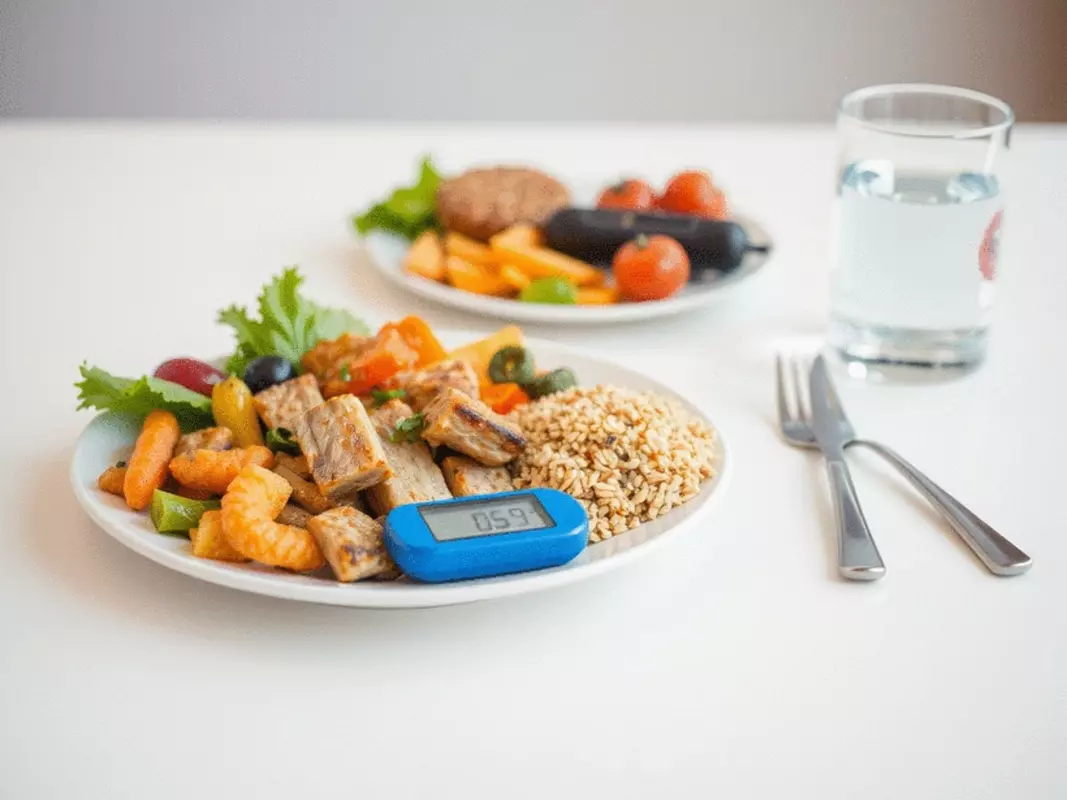
Pairing your drink with a wholesome meal can make a world of difference. Here are a few ideas:
- Opt for protein-rich foods like chicken or fish.
- Include healthy fats such as avocado or nuts.
- Incorporate whole grains to help stabilize blood sugar.
By choosing the right meals, you can enjoy your drinks while keeping your blood sugar levels in check.
Specific Beverages and Their Effects on Blood Sugar
Not all alcoholic beverages are created equal when it comes to their impact on blood sugar levels. Understanding how different types of drinks affect your body can guide your choices.
Comparing Beer, Wine, and Spirits: Glycemic Index Insights
When it comes to the glycemic index, it’s important to note that different alcoholic drinks have varying effects:
- Beer can have high carbohydrate content, leading to higher blood sugar spikes.
- Wine generally has a lower glycemic index, particularly dry varieties.
- Spirits alone, without mixers, can be low in carbohydrates but still affect blood sugar.
Choosing wisely can help you enjoy your favorite drinks without drastically affecting your blood sugar levels.
Understanding Caloric Content and Its Implications
Beyond the glycemic index, it’s essential to consider the caloric content of your drinks. Higher calorie drinks can lead to weight gain, which can further complicate diabetes management.
- Keep an eye on calorie counts in cocktails or sugary mixed drinks.
- Consider low-calorie or calorie-free mixers.
By being mindful of calories, you can support overall health while enjoying your drinks.
Exploring Diabetic Cocktails: Options and Considerations
There are actually some great cocktail options that can be diabetes-friendly! Here are a few tips for crafting your own:
- Use spirits like vodka or gin with soda water and a splash of lemon.
- Add fresh herbs or spices for flavor without added sugar.
- Avoid syrups and sugary mixers—opt for natural sweeteners instead.
With a little creativity, you can enjoy delicious cocktails that fit into your diabetes management plan!
Long-Term Health Considerations and Alcohol Consumption Patterns
As with any aspect of health, understanding the long-term implications of alcohol consumption is vital for individuals with diabetes. Here are some important considerations:
- Moderate consumption can be part of a balanced lifestyle.
- Excessive drinking can worsen diabetes control and lead to complications.
Maintaining awareness of how your drinking habits affect your diabetes journey is critical for long-term health.
Chronic Drinking and Its Impact on Diabetes Progression
Chronic alcohol consumption can significantly impact diabetes progression. It can contribute to weight gain, increased blood pressure, and other health issues that can complicate diabetes management.
Being mindful of your drinking habits and their effects on your health can help you maintain better control over diabetes.
Monitoring Blood Sugar Post-Consumption: Best Practices
After consuming alcohol, it’s a good practice to monitor your blood sugar levels. This helps you understand how your body is responding:
- Check your blood sugar before bed to ensure it’s stable.
- If you notice any significant changes, take appropriate actions, such as having a small snack.
By staying vigilant, you can prevent unexpected spikes or drops in your blood sugar levels.
Recognizing Health Risks and Complications Associated with Alcohol
Finally, it’s essential to be aware of the health risks associated with alcohol consumption, especially for those with diabetes. Regular heavy drinking can lead to liver damage, heart disease, and impaired glucose control.
Recognizing these risks can motivate you to make informed decisions about drinking and prioritize your health. Remember, your well-being comes first!
Pro Tip
Did you know? Consuming alcohol with a meal can significantly help stabilize your blood sugar levels. Pairing your drink with protein-rich foods, healthy fats, or whole grains not only enhances your dining experience but also mitigates potential spikes in glucose. So, next time you enjoy a drink, remember to have a balanced meal alongside it!
Frequently Asked Questions About Alcohol and Diabetes
Summarizing the Impacts of Alcohol on Blood Sugar Management
In light of the complexities surrounding alcohol consumption and its effects on blood sugar levels, it’s essential to summarize the key points we’ve discussed. Understanding how alcohol interacts with diabetes can empower you to make informed choices. Here are the key takeaways for safe alcohol consumption with diabetes:
- Alcohol can cause both hypoglycemia and hyperglycemia, depending on various factors.
- Type 1 and Type 2 diabetes respond differently to alcohol, impacting blood sugar management.
- It’s crucial to monitor blood sugar levels before and after drinking.
- Always consult your healthcare provider for personalized advice regarding alcohol intake.
By keeping these insights in mind, you can better navigate your relationship with alcohol while managing diabetes effectively. Always remember, each person's experience is unique, and what works for one may not work for another.
When to Consult a Healthcare Professional
As you navigate the complexities of alcohol and diabetes, knowing when to seek help is vital. Here are some signs that indicate you should consult a healthcare professional:
- Frequent episodes of hypoglycemia, especially after drinking.
- Persistent symptoms of hyperglycemia, such as excessive thirst and frequent urination.
- Any concerns regarding your overall diabetes management plan.
Being proactive about these signs can lead to better outcomes. Consulting a healthcare professional can help tailor a plan that works specifically for you!
Recognizing Signs of Hypoglycemia and Hyperglycemia
It’s essential to be aware of the signs of both hypoglycemia and hyperglycemia, especially when consuming alcohol. Common symptoms include:
- Hypoglycemia: Shakiness, confusion, sweating, and irritability.
- Hyperglycemia: Increased thirst, fatigue, and blurred vision.
Being aware of these symptoms allows you to respond quickly, ensuring your health remains your top priority. Remember, managing diabetes effectively means being vigilant about how your body reacts to different influences, including alcohol.
Using Technology: Continuous Glucose Monitors for Tracking
Integrating technology into your diabetes management can be a game changer! Continuous glucose monitors (CGMs) can provide real-time data, helping you track your blood sugar levels more effectively. Here’s how they can help:
- Real-time alerts for rising or falling blood sugar levels.
- Data trends over time to see how alcohol and other factors impact your levels.
- Empowerment through knowledge, allowing you to make informed choices.
Using a CGM can foster a deeper understanding of your body’s reactions and enhance your ability to manage diabetes while enjoying life.
Encouraging Responsible Choices and Further Learning
As we wrap up this discussion, I encourage you to make responsible choices regarding alcohol consumption. Knowledge is power, and accessing the right resources can significantly enhance your journey with diabetes. Here are some valuable resources:
- Visit What Is Diabetes for articles and guides on diabetes management.
- Check out reputable diabetes organizations for comprehensive information and support.
- Consider connecting with healthcare professionals who specialize in diabetes education.
Engaging with these resources can help you make informed decisions that support your health and well-being!
Engaging with Community Groups for Support and Shared Experiences
Connecting with others facing similar challenges can be incredibly uplifting! Joining community groups or online forums allows you to share experiences and gather insights from fellow diabetics. Here are some benefits of community engagement:
- Access to firsthand accounts of how others manage alcohol with diabetes.
- Supportive environment for discussing challenges and successes.
- Encouragement to maintain healthy lifestyle choices.
Remember, you’re not alone in this journey! Engaging with others can foster a sense of belonging and motivation.
Dietary Recommendations for Balancing Alcohol and Blood Sugar
Balancing your diet while enjoying a drink is crucial for blood sugar management. Here are some dietary recommendations to keep in mind:
- Choose lower-calorie beverages to minimize blood sugar spikes.
- Pair alcohol with food to slow the absorption of sugar.
- Incorporate fiber-rich foods, such as whole grains and vegetables, for better glycemic control.
By making these dietary choices, you can enjoy the occasional drink while keeping your blood sugar levels in check. Your health journey is yours to navigate, and I’m here to support you every step of the way!
Recap of Key Points
Here is a quick recap of the important points discussed in the article:
- Alcohol can cause both hypoglycemia and hyperglycemia, depending on various factors.
- Type 1 and Type 2 diabetes respond differently to alcohol, impacting blood sugar management.
- It’s crucial to monitor blood sugar levels before and after drinking.
- Always consult your healthcare provider for personalized advice regarding alcohol intake.
- Pair alcohol with food to help stabilize blood sugar levels.