Crafting Your Blood Sugar Plan

Every individual’s journey with diabetes is unique, yet many feel trapped in a cycle of generic advice that fails to resonate. What if a tailored approach could transform your health management? Here’s how you can take charge of your blood sugar levels with a personalized plan.
What You Will Learn
- The necessity of a personalized blood sugar management plan tailored to individual health needs.
- Limitations of one-size-fits-all approaches that overlook personal health history and lifestyle factors.
- Key factors to evaluate when assessing your glycemic control, including medication, eating habits, and activity levels.
- Insights on how blood sugar fluctuations impact overall health and the importance of monitoring levels consistently.
- The cost-benefit analysis of personalized diabetes management and potential savings through effective health strategies.
- The significance of tracking HbA1c levels as a measure of successful blood sugar control and overall health improvement.
- Essential resources for ongoing education, including consultations with nutritionists and health apps for better management.
The Personalized Approach to Blood Sugar Management
Effective blood sugar management moves beyond generic advice to embrace individual needs. Below, we highlight the crucial areas where a personalized plan outperforms a one-size-fits-all solution, focusing on assessment factors and key benefits, ensuring better health outcomes and a higher return on investment.
Limitations of Generic Plans vs. Benefits of Personalized Approaches
Generic Plan Weaknesses
- Lack of Personalization: Ignores health history & lifestyle.
- Inflexibility: Fails to adapt to health changes.
- Ineffective Diet: Doesn't align with preferences.
Personalized Plan Strengths
- Individual Assessment: Tailored to specific needs.
- Adaptability: Flexible for daily routines & health shifts.
- Precise Approach: Reflects unique situation effectively.
Key Factors in Individual Assessment for Glycemic Control
- ✓ Medication Usage: How it impacts blood sugar.
- ✓ Eating Habits: Preferred food types & patterns.
- ✓ Activity Levels: Correlation with glucose readings.
A precise approach reflects your unique situation, not a generic template.
Return on Investment: HbA1c Improvements & Benefits
- ✓ Fewer Emergencies: Reduced hospital visits.
- ✓ Improved Quality of Life: Better daily functioning.
- ✓ Lower Healthcare Costs: Over time due to fewer complications.
Tracking HbA1c motivates and shows efforts are paying off.
Personalization Checklist: Steps for Self-Monitoring & Behavioral Changes
Daily Monitoring
- Blood Sugar Logs: Track daily fluctuations.
- Meal Tracking: Focus on carbohydrate intake.
Goals & Reviews
- Physical Activity: Set exercise goals.
- Monthly Reviews: Check HbA1c & metrics.
Understanding the Need for a Personalized Blood Sugar Management Plan
Managing blood sugar levels is not just about following a generic plan; it requires a personalized approach tailored to your unique health needs. Many individuals with diabetes may feel overwhelmed by the barrage of information and advice available. Shortcuts like one-size-fits-all solutions often overlook the specific circumstances of each person, leading to less effective management of their condition.
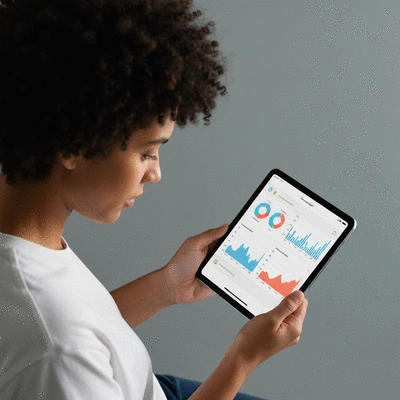
At What Is Diabetes, I truly believe that understanding your body and its responses is key to effective diabetes control. By focusing on personalized blood sugar management, we empower you to take charge of your health!
Limitations of One-Size-Fits-All Approaches
Generic plans may seem convenient, but they often miss the mark when it comes to individual needs. Here are some limitations you might encounter:
- Lack of consideration for personal health history and lifestyle factors.
- Inflexibility in adapting to changes in health or daily routines.
- Potentially ineffective dietary recommendations that do not align with personal preferences or needs.
These limitations can lead to frustration and poor glycemic control. It's essential to seek a plan that speaks specifically to you—tailored to your daily habits and medical history.
Importance of Individual Assessment in Glycemic Control
To create an effective blood sugar management plan, individual assessment is crucial. This involves evaluating several factors, including:
- Your current medication usage and how it affects your blood sugar.
- Your eating habits and preferred food types.
- Your activity levels and how they correlate with your glucose readings.
By considering these aspects, you can develop a more precise approach to controlling your blood sugar levels. The goal is to ensure that your management plan reflects your unique situation rather than applying a template that may not work for you.
Understanding Blood Sugar Levels and Their Impact on Health
Blood sugar levels play a significant role in overall health, especially for those with diabetes. Understanding how these levels fluctuate and what influences them is vital for effective management. For comprehensive guidance on managing blood sugar, the CDC provides valuable resources. Here are some key insights:
- Normal blood sugar levels usually range between 70 to 130 mg/dL before meals.
- Consistent high levels can lead to complications such as heart disease, nerve damage, and kidney problems. The National Institute of Diabetes and Digestive and Kidney Diseases (NIDDK) offers further information on preventing these issues.
- Low blood sugar levels can cause symptoms like dizziness, confusion, and irritability.
By keeping a close eye on your blood sugar, you can identify patterns and make informed choices. Remember, knowledge is power—especially when it comes to managing diabetes and leading a healthier life!
Pro Tip
Did you know? Keeping a detailed food diary can significantly enhance your blood sugar management. By tracking what you eat and how it affects your blood sugar levels, you can identify patterns and make informed dietary choices. This personalized insight can empower you to adjust your meals for optimal control!
Frequently Asked Questions About Personalized Blood Sugar Management
Q: Why is a personalized blood sugar management plan better than a generic one?
A: A personalized plan takes into account your unique health history, lifestyle factors, medication usage, eating habits, and activity levels. Generic plans often overlook these individual circumstances, leading to less effective management and potential frustration.
Q: What key factors are assessed in a personalized glycemic control plan?
A: Key factors include your current medication usage and its impact on blood sugar, your eating habits and preferred food types, and your activity levels and their correlation with glucose readings.
Q: How do blood sugar levels impact overall health?
A: Consistent high blood sugar levels can lead to severe complications like heart disease, nerve damage, and kidney problems. Conversely, low blood sugar can cause symptoms such as dizziness and confusion. Understanding these fluctuations is crucial for effective management and preventing long-term health issues.
Q: What are the benefits of investing in personalized diabetes management?
A: The benefits include fewer diabetes-related medical emergencies and hospital visits, an improved quality of life, better daily functioning, and potentially lower healthcare costs over time due to fewer complications. Tracking HbA1c improvements serves as a strong motivator.
Q: What resources are available for ongoing education in diabetes management?
A: Valuable resources include consultations with registered dietitians or nutritionists, health apps for meal planning and tracking, online courses on diabetes management, and support groups for shared experiences and motivation.
Evaluating the Cost-Benefit of Personalized Approaches
When it comes to managing diabetes, the financial aspect can often feel overwhelming. Understanding the cost-benefit of personalized approaches is crucial, as it helps you make informed decisions about your health. It's important to consider not only the immediate expenses but also the potential savings in long-term health outcomes.
The first step is to evaluate your insurance coverage for diabetes management tools. Many insurance plans may cover a portion of the costs associated with continuous glucose monitors (CGMs), test strips, and even consultations with nutritionists. However, there can also be out-of-pocket expenses that you’ll want to account for in your budget.
Insurance Coverage and Out-of-Pocket Expenses for Diabetes Management Tools
- Check if your plan covers CGMs and their supplies.
- Look for coverage of diabetes education programs.
- Consider costs for ongoing consultations with healthcare providers.
- Account for any necessary medications and their respective costs.
Taking the time to research your insurance options can lead to significant savings. Additionally, keeping an eye on your out-of-pocket expenses will help you better understand the overall financial commitment involved in personalized diabetes management.

Return on Investment in Personalized Blood Sugar Management: Understanding HbA1c Improvements
Investing in personalized blood sugar management can yield substantial returns, especially regarding your HbA1c levels. A lower HbA1c not only indicates better blood sugar control but also reduces the risk of diabetes-related complications. The American Diabetes Association provides further insights into blood glucose testing and control. It’s always helpful to view this investment in your health as a long-term strategy.
A few key benefits you might see include:
- Fewer diabetes-related medical emergencies and hospital visits.
- Improved quality of life and daily functioning.
- Potentially lower healthcare costs over time due to fewer complications.
Tracking your HbA1c improvements can serve as a powerful motivator. Each time you see those numbers drop, it's a reminder that your efforts—financially and personally—are paying off! Remember, at What Is Diabetes, we’re dedicated to supporting you through this journey by providing the latest insights into effective diabetes management.
Taking the Next Steps in Your Blood Sugar Management Journey
As you embark on this journey towards better blood sugar management, having a clear plan can make all the difference. Taking actionable steps will not only help you feel more in control but also contribute to long-lasting health improvements.
Creating a Personalization Checklist for Self-Monitoring and Behavioral Changes
A personalized checklist can be a game-changer in your management routine. Here are some key items to include:
- Daily blood sugar monitoring logs.
- Meal tracking with a focus on carbohydrate intake.
- Physical activity goals to promote exercise.
- Monthly reviews of HbA1c and other critical health metrics.
By keeping this checklist handy, you can stay accountable and recognize areas for improvement in your lifestyle. Personalization is key, so feel free to adjust it based on your unique needs.
Resources for Ongoing Education, including Nutritionist Consultations and Health Apps
Continued education is vital in managing diabetes effectively. Consider utilizing resources that can enhance your understanding and skills:
- Consultations with registered dietitians or nutritionists.
- Health apps that assist with meal planning and tracking.
- Online courses that cover diabetes management and wellness strategies.
- Support groups for shared experiences and motivation.
At What Is Diabetes, we're committed to providing valuable resources that empower you on this journey. Remember, knowledge is power, and with the right tools, you can take confident steps toward better health!
Recap of Key Points
Here is a quick recap of the important points discussed in the article:
- A personalized blood sugar management plan is essential for effective diabetes control.
- One-size-fits-all approaches often overlook individual health needs and can lead to poor glycemic control.
- Individual assessments, including medication usage, eating habits, and physical activity, are crucial for tailoring management plans.
- Understanding blood sugar levels and their impact on health can empower individuals to make informed decisions.
- Evaluating insurance coverage for diabetes management tools can lead to significant cost savings.
- Investing in personalized management can yield benefits like improved HbA1c levels and overall health outcomes.
- Creating a personalized checklist and utilizing ongoing educational resources can enhance diabetes management efforts.