Diabetes and Autoimmune Disorder Link
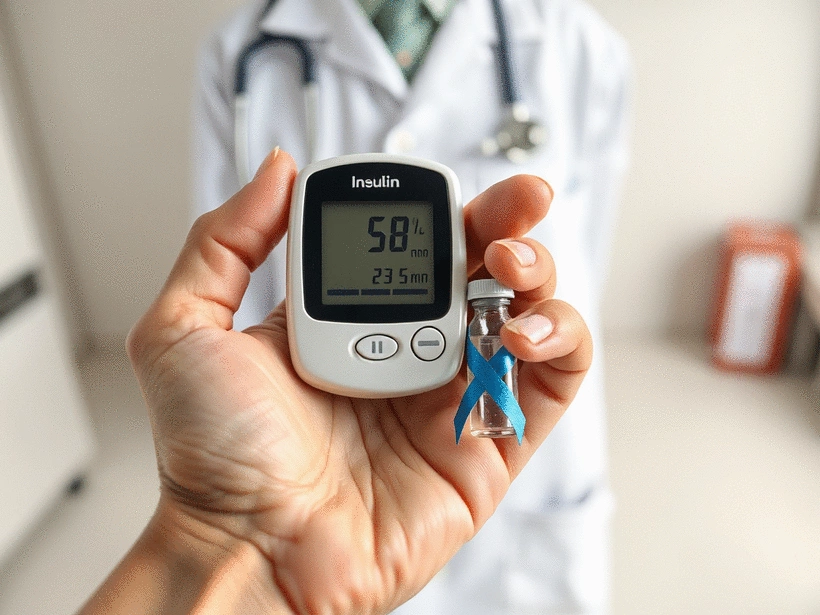
What if understanding the connection between diabetes and autoimmune disorders could significantly enhance your health management strategy? This article delves into the intricate relationship between these conditions, empowering individuals with the knowledge to navigate their health more effectively.
What You Will Learn
- Individuals with Type 1 diabetes are at a higher risk of developing autoimmune disorders.
- Autoimmunity can affect various body systems, including the thyroid and digestive system.
- Regular screening for autoimmune disorders is essential for early detection and management.
- Genetic predispositions can impact both diabetes and the risk of autoimmune conditions.
- Common autoimmune disorders associated with Type 1 diabetes include thyroid diseases and celiac disease.
- Open communication with healthcare providers fosters better management of diabetes and associated disorders.
- Staying informed can significantly enhance your overall health management strategy.
The Interconnectedness of Diabetes and Autoimmune Disorders
This visual highlights the key distinctions between Type 1 and Type 2 Diabetes, emphasizing their link to autoimmune conditions and associated common disorders. It provides a quick comparison and lists frequently co-occurring autoimmune diseases.
Type 1 Diabetes (T1D)
- Autoimmune disorder
- Body doesn't produce insulin
- More common in younger individuals
- Linked to genetic factors
Type 2 Diabetes (T2D)
- Often insulin resistance
- Typically linked to lifestyle
- Usually develops in adults
- Often associated with obesity
Common Autoimmune Links with T1D
- Hashimoto's Thyroiditis
- Celiac Disease
- Addison’s Disease
- Pernicious Anemia
Genetic Influence & Screening
- Specific HLA types linked to T1D
- Family history increases risk
- Regular screening is essential
- Early detection improves management
Understanding the Link Between Diabetes and Autoimmune Disorders
Diabetes and autoimmune disorders are linked in ways that can be surprising and important for those managing diabetes. Research shows that individuals with diabetes, particularly Type 1 diabetes, are more likely to develop autoimmune conditions. This connection emphasizes the need for awareness and proactive health monitoring.
As a physician deeply invested in diabetes care, I’ve seen how understanding this relationship can empower patients. Knowing that autoimmune disorders can coexist with diabetes helps in recognizing symptoms early and managing them effectively.

What You Need to Know About Diabetes and Autoimmunity
Autoimmunity occurs when the immune system mistakenly attacks the body's own cells. In individuals with diabetes, this can lead to complications and additional health challenges. Understanding the prevalence of autoimmune disorders in those with diabetes is crucial for comprehensive care. For a deeper dive into the association between Type 1 diabetes and other autoimmune conditions, you can refer to this study on NCBI.
- Type 1 diabetes is commonly associated with autoimmune conditions.
- Autoimmunity can affect the thyroid, digestive system, and other areas.
- Regular screening is essential for early detection and management.
Being informed can significantly enhance how individuals manage their health. It’s not just about maintaining blood sugar levels; it’s also about understanding how other autoimmune conditions may impact overall well-being.
Types of Diabetes: A Quick Comparison
Distinguishing Type 1 Diabetes from Type 2 Diabetes
Type 1 diabetes (T1D) is classified as an autoimmune disorder where the body does not produce insulin. In contrast, Type 2 diabetes (T2D) often involves insulin resistance, typically linked to lifestyle factors. The differences between these types have implications for autoimmunity. For more information on the distinct characteristics of Type 1 and Type 2 diabetes and their respective links to autoimmune conditions, this article provides further insights.
- Type 1 diabetes is more common in younger individuals and is linked to genetic factors.
- Type 2 diabetes usually develops in adults and is often associated with obesity.
- Both types require a tailored approach to treatment, especially when autoimmunity is involved.
Understanding these distinctions can help patients and families make informed decisions about their health management strategies.
The Role of Genetics in Diabetes and Autoimmunity
Genetics plays a significant role in both diabetes and autoimmunity. Research indicates that certain genetic markers are associated with a higher risk of developing autoimmune disorders in individuals with diabetes. For instance, specific HLA (human leukocyte antigen) types are linked to Type 1 diabetes, highlighting the hereditary aspect of these conditions. To explore the genetic architecture of Type 1 diabetes and its autoimmune connections further, consult this research from Frontiers in Genetics.
- Genetic predispositions can influence susceptibility to autoimmune diseases.
- Family history may increase the likelihood of both diabetes and autoimmune conditions.
- Understanding genetic factors can guide preventive measures and personalized care.
By recognizing these genetic connections, patients can work with healthcare providers to monitor their health more effectively. It's about building a proactive approach to diabetes management.
Autoimmune Disorders Commonly Associated with Diabetes
Which Autoimmune Diseases Are Linked to Type 1 Diabetes?
Individuals with Type 1 diabetes often face a greater risk of developing other autoimmune diseases. Recognizing these associations can lead to early diagnosis and better overall management.
- Thyroid diseases, such as Hashimoto's thyroiditis, are prevalent.
- Celiac disease is another significant concern for those with T1D.
- Other conditions include Addison’s disease and pernicious anemia.
Awareness of these risks is essential for effective management of diabetes and overall health. It’s crucial for patients to communicate with their healthcare teams about any new symptoms or concerns.
Quick Summary
Here's a brief recap of the key points discussed so far:
- Type 1 diabetes is an autoimmune disorder that can lead to other autoimmune conditions.
- Understanding the genetic links between diabetes and autoimmunity can improve health management.
- Awareness of common autoimmune disorders associated with diabetes is crucial for early detection and effective management.
Frequently Asked Questions About Diabetes and Autoimmune Disorders
- Q: What is the primary connection between diabetes and autoimmune disorders?
- A: Type 1 diabetes itself is an autoimmune disorder where the immune system attacks insulin-producing cells. Individuals with Type 1 diabetes have a higher risk of developing other autoimmune conditions.
- Q: How does Type 1 diabetes differ from Type 2 diabetes in terms of autoimmunity?
- A: Type 1 diabetes is autoimmune, meaning the body attacks its own cells. Type 2 diabetes is primarily linked to insulin resistance and lifestyle factors, though some research suggests autoimmune components may play a role in a subset of cases.
- Q: What are some common autoimmune disorders associated with Type 1 diabetes?
- A: Common associated autoimmune disorders include Hashimoto's thyroiditis, celiac disease, Addison's disease, and pernicious anemia.
- Q: Why is regular screening for autoimmune disorders important for people with diabetes?
- A: Regular screening allows for early detection and management of co-occurring autoimmune conditions, which can significantly improve overall health outcomes and prevent complications.
- Q: Can genetics influence the risk of developing both diabetes and autoimmune conditions?
- A: Yes, genetics play a significant role. Specific genetic markers, such as certain HLA types, are linked to an increased risk of both Type 1 diabetes and other autoimmune diseases. A family history of either condition can also increase risk.
Conclusions and Practical Implications for Patients and Clinicians
Living with diabetes can be a complex journey, especially when you consider the added layer of autoimmune disorders. Awareness is crucial! Understanding the connection between diabetes and these conditions can empower patients to seek proactive screening and management strategies. This not only helps in maintaining better blood sugar control but also enhances overall health and quality of life.
At What Is Diabetes, we believe that informed patients are equipped to make better choices. By recognizing the signs and symptoms of potential autoimmune issues, individuals can advocate for themselves and engage in discussions with their healthcare providers.

What This Means for People Living with Diabetes
As we summarize the implications of our findings, it becomes clear that awareness and education are key. Here are some important points to consider:
- Regular screening for autoimmune disorders can lead to early detection and management.
- Having a comprehensive understanding of one's health can enhance communication with clinicians.
- Building a supportive network through community resources can provide emotional and informational support.
By integrating these practices into daily life, individuals can take significant steps towards managing both diabetes and any associated autoimmune disorders effectively.
Future Directions in Research and Management
Looking ahead, we anticipate exciting advancements in the understanding and treatment of autoimmune mechanisms in diabetes. Research is increasingly focusing on:
- New therapeutic options targeting autoimmune pathways.
- Innovative approaches to personalized care based on genetic profiles.
- Enhanced screening methods for earlier diagnosis of both diabetes and autoimmune disorders.
These developments hold promise not only for improving diabetes management but also for enhancing overall patient outcomes. As a physician passionate about empowering individuals, I am excited about the potential for these advancements to transform lives.
Engaging with the Community: Resources and Next Steps
Where to Find Support and Information
Connecting with the right resources can make a huge difference in managing diabetes and its associated autoimmune conditions. Here are some reputable organizations and support groups you can reach out to:
- American Diabetes Association: Offers resources and support for individuals living with diabetes.
- Juvenile Diabetes Research Foundation (JDRF): Focused on type 1 diabetes research and advocacy.
- Celiac Disease Foundation: Provides information on celiac disease, especially pertinent for those with type 1 diabetes.
- Thyroid Foundation: A great resource for understanding thyroid-related issues.
These organizations can provide valuable support and information tailored to your unique needs, helping you navigate your diabetes journey with confidence.
Encouraging Open Dialogue with Healthcare Providers
Effective management of diabetes and its associated autoimmune disorders often hinges on good communication with healthcare providers. Here are some tips to help facilitate these discussions:
- Prepare a list of questions before your appointment, focusing on symptoms or concerns related to autoimmune disorders.
- Be open about your symptoms and experiences; this transparency can lead to better care.
- Don’t hesitate to advocate for necessary screenings or referrals to specialists.
- Discuss lifestyle factors and how they may impact your overall health.
By fostering an open dialogue with your healthcare team, you can ensure a comprehensive approach to your health, leading to better management of both diabetes and any autoimmune conditions.
Recap of Key Points
Here is a quick recap of the important points discussed in the article:
- Type 1 diabetes is strongly linked to autoimmune disorders, necessitating greater awareness and monitoring.
- Regular screening for autoimmune conditions is crucial for early detection and effective management.
- Understanding the genetic factors can help tailor preventive measures and personalized care.
- Open communication with healthcare providers ensures comprehensive management of diabetes and associated autoimmune disorders.
- Engaging with community resources provides support and valuable information for those affected by diabetes.