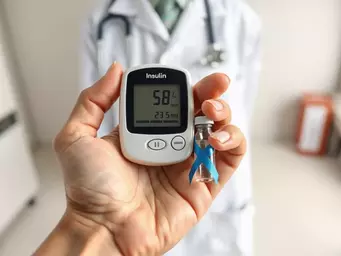
Medication Timing and Blood Sugar

Effective management of diabetes involves more than just medications; understanding when to take them is crucial. Did you know that aligning medication schedules with your daily rhythms can significantly improve blood sugar control? Here’s what you will learn about the importance of medication timing in diabetes management.
What You Will Learn
- Medication timing directly impacts blood sugar levels, helping to avoid spikes and dips.
- Aligning medication intake with meal times can enhance drug absorption and effectiveness.
- Understanding your body's circadian rhythms can inform better medication scheduling.
- Consistent timing leads to improved medication adherence and overall health outcomes.
Key Aspects of Medication Timing in Diabetes Management
Understanding the critical role of medication timing is vital for effective diabetes management. The following visual highlights the core principles and benefits associated with proper medication scheduling.
Consistent Timing & Meal Coordination
Taking medications at the same time daily and aligning with meals helps maintain stable blood sugar and enhances drug effectiveness.
Enhanced Efficacy & Absorption
Optimal timing improves medication absorption and action, leading to better overall glycemic control and reduced spikes.
Monitoring & Adjustment for Outcomes
Regular evaluation of timing leads to significant improvements in blood sugar outcomes. Self-monitoring is key.
Education & Individualization
Patients need education on why specific timings matter, and treatment plans must be tailored to individual lifestyles.
Understanding Medication Timing and Its Role in Blood Sugar Control
Managing diabetes effectively often hinges on understanding the nuances of medication timing. This aspect plays a crucial role in controlling blood sugar levels and, when done correctly, can lead to better overall health outcomes. At What Is Diabetes, we emphasize the importance of not just the medications themselves but also when to take them for optimal efficacy.
Timing your medications can influence how well they work, which is why it’s vital to grasp this concept. By aligning medication schedules with your lifestyle and daily rhythms, you can significantly improve your diabetes management.

Defining Medication Timing and Its Importance for Diabetes Management
Medication timing refers to the specific times at which diabetes medications are taken, whether before, during, or after meals. This scheduling is important because it can directly affect how your body responds to food intake and insulin levels. Understanding this timing can help in avoiding blood sugar spikes and dips, which are detrimental to your health.
- Timing can enhance medication absorption.
- It aligns medication action with blood sugar peaks after meals.
- Proper timing can minimize side effects and improve adherence.
Incorporating these elements into your routine can help you maintain more stable blood sugar levels. It’s not merely about taking your pills; it's about taking them at the right time! For more detailed guidance, you can explore resources from the American Diabetes Association on pharmacologic approaches to glycemic treatment.
How Medication Timing Influences Blood Sugar Levels
The timing of medication intake can have a profound impact on your blood sugar levels. For instance, taking medications too early or too late might not synchronize well with your body's natural insulin production, leading to unpredictable blood sugar levels.
- Medications taken before meals can prevent post-meal spikes.
- Timing can affect how long the medication remains effective in your system.
- Different medications have varying optimal times for administration.
By understanding how these medications interact with your meal times, you can better predict and manage your blood sugar fluctuations. Each meal presents a unique opportunity to optimize your medication timing! The Mayo Clinic provides comprehensive information on Type 2 diabetes treatment, which includes medication management.
The Connection Between Circadian Rhythms and Medication Timing
Your body operates on a natural circadian rhythm that influences hormone levels, including insulin. Recognizing this connection is vital for effective diabetes management. For example, blood sugar levels might be higher at certain times of the day, and adjusting medication timing to align with these fluctuations can enhance control.
- Circadian rhythms affect insulin sensitivity.
- Morning and evening medications may need different timing strategies.
- Understanding your body’s rhythm can reduce the risk of hypoglycemia or hyperglycemia.
By syncing your medication schedule with your body's natural cycles, you can foster better blood sugar control and ultimately lead a healthier life. The journey of diabetes management is continuous, and understanding these rhythms can empower you to take charge! For further scientific insights into this topic, you can refer to research on circadian medicine in diabetes management.
Pro Tip
To optimize your medication timing, consider using a medication management app. These apps can help you set reminders for when to take your medications, track your blood sugar levels, and even log your meals. By consistently monitoring these elements, you can make informed adjustments to your routine, leading to better blood sugar control.
Frequently Asked Questions About Medication Timing in Diabetes Management
1. Why is medication timing so important for diabetes?
Medication timing is crucial because it directly influences how effectively your body processes glucose and responds to the medication. Taking medication at specific times, especially in relation to meals, helps prevent sudden spikes or drops in blood sugar levels, leading to better overall glycemic control.
2. How do meals affect my medication schedule?
Many diabetes medications are designed to work in conjunction with food intake. Taking them before, during, or immediately after meals can enhance their absorption and effectiveness, helping to manage post-meal blood sugar surges. Always follow your doctor's specific instructions for your medications.
3. What are circadian rhythms, and how do they relate to diabetes medication?
Circadian rhythms are your body's natural 24-hour cycles that regulate various physiological processes, including hormone production and insulin sensitivity. Understanding these rhythms can help tailor medication schedules to optimize their effect, as your body's response to insulin can vary throughout the day and night.
4. Can consistent medication timing improve my overall health?
Yes, consistent medication timing is a cornerstone of effective diabetes management. It leads to more stable blood sugar levels, reduces the risk of complications, improves medication adherence, and ultimately contributes to better long-term health outcomes and quality of life.
5. What should I do if I forget to take my diabetes medication on time?
If you miss a dose, it's important to consult your healthcare provider or pharmacist for specific advice. Do not double your dose unless instructed to do so, as this can lead to dangerously low blood sugar. Always try to stick to your prescribed schedule as closely as possible.
Summarizing the Impact of Medication Timing on Glycemic Control
Medication timing plays a crucial role in managing diabetes effectively. Understanding how the timing of your medication can influence blood sugar levels allows both patients and healthcare providers to make informed decisions. This knowledge is vital for achieving better glycemic control and overall health!
Here are some key takeaways regarding the impact of medication timing:
- Consistent Timing: Taking medications at the same time each day helps maintain stable blood sugar levels.
- Meal Coordination: Aligning medication timing with meal schedules enhances the effectiveness of certain drugs.
- Enhanced Efficacy: Optimal timing can improve medication absorption and action, leading to better control.
- Monitoring and Adjustment: Regular evaluations of medication timing can lead to significant improvements in glycemic outcomes.
By focusing on these takeaways, we can empower individuals to take control of their diabetes management. As a physician with experience in endocrinology, I often emphasize the importance of communication between patients and their healthcare teams regarding medication timing.

Key Takeaways for Patients and Healthcare Providers
As we summarize the significance of medication timing, it’s essential for both patients and healthcare providers to recognize the collaborative nature of diabetes management. Here are some specific points to consider:
- Education: Patients should be educated about their medications and the reasons behind specific timing recommendations.
- Individualization: Treatment plans should be tailored to fit each patient's lifestyle, meal habits, and preferences.
- Open Dialogue: Continuous discussions about medication timing should occur during regular check-ups.
Incorporating these practices not only enhances medication adherence but also fosters a better understanding of diabetes management. At What Is Diabetes, I strive to equip patients with the knowledge they need to work effectively with their healthcare providers.
Encouraging Ongoing Evaluation and Adjustment of Medication Timing
Diabetes management is not static; it requires regular review and adjustment. This is especially true for medication timing, as various factors can influence how effective a regimen may be over time. For example, changes in diet, physical activity, or even stress levels can affect blood sugar control.
Here are some strategies to encourage ongoing evaluation:
- Regular Check-Ins: Schedule routine appointments to assess blood sugar levels and medication effectiveness.
- Self-Monitoring: Encourage patients to track their blood sugar levels and medication times in a journal or app.
- Education and Support: Provide resources for patients to learn about the impact of timing on their medications.
By implementing these strategies, both patients and healthcare providers can work together to optimize medication timing, leading to improved outcomes. Remember, it’s all about finding what works best for each individual!
Engaging with the Community: Share Your Experiences and Questions
Inviting Feedback on Medication Timing Practices
I believe that sharing experiences is one of the most powerful tools in diabetes management. At What Is Diabetes, we invite you to share your thoughts on medication timing practices that have worked for you or your loved ones. Your insights could help others navigate their diabetes journey!
Consider these questions when sharing:
- What timing strategies have been most effective for you?
- Have you encountered any challenges with medication timing?
- What support or resources have you found helpful?
Your experiences matter, and they can contribute significantly to building a supportive community for those affected by diabetes. Let’s learn from each other!
Resources for Further Learning and Support on Blood Sugar Management
To bolster your understanding of medication timing and its impact on blood sugar management, I recommend exploring a variety of resources. Here are some valuable ones:
- Books: Look for titles that focus on diabetes management and medication timing.
- Online Communities: Engage with diabetes forums and social media groups dedicated to sharing knowledge.
- Webinars and Workshops: Attend educational sessions led by healthcare professionals.
These resources can empower you with knowledge and support, making your diabetes management journey smoother!
Understanding the Role of Diabetes Education in Medication Timing Success
Education is a cornerstone of effective diabetes management. Understanding the nuances of how medication timing affects blood sugar levels can lead to significant improvements in patient outcomes. By fostering an environment of learning and support, we can empower individuals to make informed decisions about their health.
Here’s how diabetes education plays a critical role:
- Informed Decisions: Patients who understand their medications can better adhere to their treatment plans.
- Skill Development: Education provides patients with the tools to self-manage their diabetes effectively.
- Community Support: Educational resources connect patients with others, creating a supportive network.
At What Is Diabetes, our mission aligns with this vision, ensuring that individuals receive the education they need for successful diabetes management. Remember, you’re not alone on this journey; we’re here to support you every step of the way!
Recap of Key Points
Here is a quick recap of the important points discussed in the article:
- Consistent Timing: Taking medications at the same time each day helps maintain stable blood sugar levels.
- Meal Coordination: Aligning medication timing with meal schedules enhances the effectiveness of certain drugs.
- Enhanced Efficacy: Optimal timing can improve medication absorption and action, leading to better control.
- Monitoring and Adjustment: Regular evaluations of medication timing can lead to significant improvements in glycemic outcomes.
- Education and Open Dialogue: Patients should be educated about their medications, and continuous discussions should occur during check-ups.