Understanding Your Blood Sugar Readings
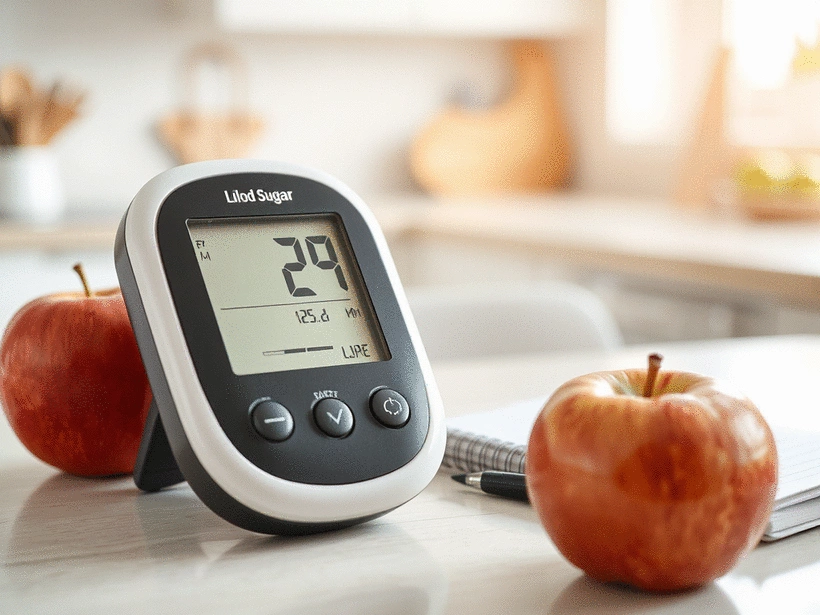
What if a simple number could hold the key to better health? Blood sugar readings are more than just figures—they're a reflection of your body's management of glucose. Understanding them is essential for anyone navigating diabetes, and this guide will empower you with the knowledge you need!
What You Will Learn
- Blood sugar levels are categorized into normal, prediabetic, and diabetic ranges, with specific values that indicate your health status.
- The A1C test provides an average of your blood sugar levels over the past 2-3 months, offering insight into your long-term management.
- Understanding the glycemic index can help you make better food choices, stabilizing your blood sugar levels.
- Lifestyle factors such as meal composition, exercise, and stress management directly impact your blood sugar readings.
- Practical tips for daily living, including meal planning and regular physical activity, can significantly improve blood sugar control.
Blood Sugar Range Overview
This visual summarizes key blood sugar ranges (Normal, Prediabetes, Diabetes) and A1C levels, providing a quick reference for understanding glucose management.
Fasting Blood Sugar Levels (mg/dL)
- Normal:70-99
- Prediabetes:100-125
- Diabetes:≥126
A1C Levels (%) - Average over 2-3 Months
- Normal:<5.7
- Prediabetes:5.7-6.4
- Diabetes:≥6.5
Understanding Blood Sugar Readings: Essential Definitions and Ranges
Understanding your blood sugar readings is crucial for effective diabetes management. Have you ever looked at your blood sugar number and wondered what it really means? This section will break down the essentials, helping you grasp why these numbers are vital to your health journey!
Blood sugar readings can often feel confusing, but they provide important insights into how well your body is managing glucose. Knowledge of these numbers empowers you to make informed decisions about your health. So, let’s dive in!
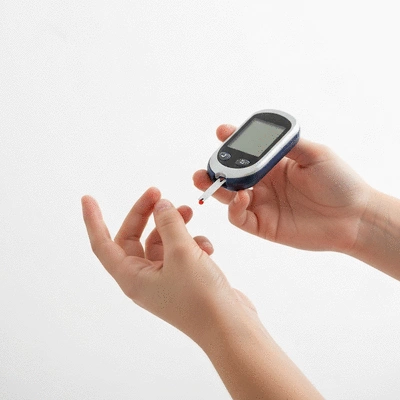
What Does Your Blood Sugar Number Really Mean?
Your blood sugar level indicates how much glucose is in your bloodstream. This is essential because glucose is your body’s primary energy source. However, maintaining a balanced blood sugar level is crucial—too high or too low can lead to complications. For comprehensive information on what these numbers mean, you can refer to resources from the Centers for Disease Control and Prevention (CDC).
- Normal range: Typically between 70-99 mg/dL when fasting.
- Prediabetic range: Fasting levels between 100-125 mg/dL.
- Diabetic range: Levels of 126 mg/dL or higher.
Being aware of these ranges allows you to take proactive steps in managing your diabetes. It's all about staying informed!
Normal, Prediabetic, and Diabetic Blood Sugar Levels Explained
Now that we understand what these numbers represent, let's clarify the different categories. Normal blood sugar levels indicate that your body is effectively processing glucose. If you're in the prediabetic range, it acts as a warning sign—an opportunity to take action before diabetes develops.
- Normal: 70-99 mg/dL
- Prediabetes: 100-125 mg/dL
- Diabetes: 126 mg/dL or higher
Understanding where you fall within these ranges is a key step towards better management and prevention of diabetes-related complications.
The Role of A1C in Understanding Your Blood Glucose
The A1C test measures your average blood sugar levels over the past 2 to 3 months. This test provides a broader picture compared to daily readings, showing how well your blood sugar levels have been controlled over time. This is crucial because it reflects your long-term glucose management. The American Diabetes Association provides further guidance on checking your blood glucose and A1C levels.
- A1C below 5.7%: Normal
- A1C between 5.7% and 6.4%: Prediabetes
- A1C 6.5% or higher: Diabetes
Monitoring your A1C can help you and your healthcare provider evaluate the effectiveness of your diabetes management plan. At What Is Diabetes, we emphasize the importance of keeping this number in check!
Glycemic Index: How It Affects Blood Sugar Levels
The glycemic index (GI) is a scale that ranks foods based on how they affect your blood sugar levels. Foods that break down quickly into glucose have a high GI, causing rapid spikes in blood sugar. Conversely, low GI foods release glucose slowly and steadily, which is beneficial for managing diabetes.
- High GI foods: White bread, sugary snacks, and certain cereals
- Low GI foods: Whole grains, legumes, and most fruits and vegetables
Being mindful of the glycemic index as you plan your meals can help you stabilize your blood sugar levels. Remember, informed choices lead to healthier lives!
Pro Tip
Did you know? Regularly monitoring your blood sugar levels at different times of the day can provide valuable insights into how your body responds to various foods and activities. This practice empowers you to make informed adjustments to your diet and lifestyle for better diabetes management!
Integrating Lifestyle Choices for Better Blood Sugar Management
Managing your blood sugar isn't just about monitoring numbers; it's also about making smart lifestyle choices that keep your readings stable. Every meal you eat, every workout you complete, and even your stress levels play crucial roles in your overall blood glucose management. Let's explore how these factors interact with your diabetes and what you can do about them!
When it comes to meals, it's essential to consider not just what you're eating, but also when and how much. For example, consuming high-sugar foods can cause spikes in blood sugar, while balanced meals with the right mix of nutrients can maintain more stable levels. Exercise also influences your blood sugar, as physical activity can increase insulin sensitivity and help your body utilize glucose more effectively.

The Impact of Meals, Exercise, and Stress on Your Readings
Understanding the relationship between your daily lifestyle choices and your blood sugar levels is vital. Here are the key factors to keep in mind:
- Meals: The composition of your meals—especially carbohydrates—affects your blood sugar. High-carb meals can lead to spikes, while balanced meals with proteins and healthy fats can mitigate this.
- Exercise: Engaging in regular physical activity can lower your blood sugar by increasing insulin sensitivity. Even short bursts of activity can help!
- Stress: Emotional and physical stress can raise cortisol levels, leading to increased blood sugar. Finding effective stress management techniques is crucial.
It's important to keep a close eye on how these factors interact with your blood glucose levels. You might notice that after a stressful day, your readings are higher. Understanding this can empower you to make necessary adjustments.
Practical Tips for Daily Living: Keeping Your Blood Sugar in Check
Implementing effective strategies in your daily routine can have a big impact on your blood sugar management. Here are some practical tips:
- Plan your meals ahead of time to avoid last-minute unhealthy choices.
- Incorporate regular physical activity into your day—walking, stretching, or even dancing counts!
- Practice stress-relief techniques such as meditation, yoga, or deep breathing exercises.
- Stay hydrated! Drinking plenty of water helps your body function optimally.
- Keep a blood sugar log to track how different foods and activities affect your readings.
By adopting these strategies, you can take proactive steps toward maintaining healthier blood sugar levels. It's all about forming habits that work for you!
Meal Planning for Diabetes: Focus on Carbohydrates and Dietary Fiber
When planning meals, it's crucial to pay attention to carbohydrates and dietary fiber. Understanding how these elements affect your blood sugar can help you create balanced meals that support your health. Here’s what to consider:
- Carbohydrates: Choose complex carbs over simple sugars, as they provide sustained energy without sharp spikes in blood sugar.
- Fiber: Incorporate high-fiber foods like vegetables, whole grains, and legumes. Fiber slows down glucose absorption and can improve digestion.
- Portion Control: Be mindful of portion sizes to avoid overeating, which can lead to elevated blood sugar levels.
Meal planning can feel overwhelming, but taking it step by step can make it manageable. Remember, it’s about making choices that fit into your lifestyle while keeping your health in check.
Physical Activity and Its Role in Blood Sugar Stability
Regular physical activity is not just good for overall health; it plays a vital role in managing blood sugar levels. Exercise can help your body use insulin more efficiently, which is especially important for those of us managing diabetes. Here are some tips to incorporate exercise into your routine:
- Set realistic goals: Start with short sessions and gradually increase the duration and intensity.
- Find activities you enjoy: Whether it’s cycling, swimming, or dancing, choose exercises that make you happy!
- Incorporate movement throughout the day: Take stairs instead of elevators, or take short walking breaks during work.
Remember, every bit of movement counts! By integrating these activities into your daily life, you’ll be on the path to better blood sugar control and improved well-being.
Frequently Asked Questions (FAQs)
- What are the normal blood sugar ranges?
- Normal fasting blood sugar levels are typically between 70-99 mg/dL. An A1C level below 5.7% is considered normal.
- What do prediabetic blood sugar levels indicate?
- Prediabetic fasting levels are between 100-125 mg/dL, and an A1C between 5.7% and 6.4%. These levels serve as a warning sign, indicating a higher risk of developing type 2 diabetes.
- How does the A1C test differ from daily blood sugar readings?
- Daily blood sugar readings show your glucose levels at a specific moment, while the A1C test provides an average of your blood sugar levels over the past 2-3 months, offering insight into long-term glucose management.
- How does the glycemic index affect my food choices?
- The glycemic index (GI) ranks foods by how quickly they raise blood sugar. Choosing low GI foods (like whole grains, legumes, fruits, and vegetables) helps maintain stable blood sugar levels, while high GI foods can cause rapid spikes.
- What lifestyle factors are crucial for managing blood sugar?
- Key lifestyle factors include balanced meal composition (especially focusing on complex carbohydrates and fiber), regular physical activity to increase insulin sensitivity, and effective stress management techniques to prevent cortisol-induced blood sugar increases.
Recap of Key Points
Here is a quick recap of the important points discussed in the article:
- Blood Sugar Ranges: Normal levels are 70-99 mg/dL; prediabetic is 100-125 mg/dL; diabetic is 126 mg/dL or higher.
- A1C Test: A1C levels below 5.7% are normal; 5.7%-6.4% indicates prediabetes; 6.5% or higher signifies diabetes.
- Glycemic Index: Choose low GI foods like whole grains and vegetables to help stabilize blood sugar levels.
- Lifestyle Choices: Regular meals, physical activity, and stress management are crucial for maintaining healthy blood sugar levels.
- Meal Planning: Focus on complex carbohydrates and high-fiber foods while practicing portion control.