Know When to Seek Help

Keeping your blood sugar levels in check is essential for managing diabetes, but understanding the nuances can be challenging. With the right insights, you can navigate your health journey with confidence and clarity.
What You Will Learn
- Blood sugar fluctuations can result from various factors including diet, exercise, and stress levels.
- Regular monitoring of blood sugar levels helps identify trends and prevent long-term complications.
- Understanding the symptoms of hypoglycemia and hyperglycemia is crucial for timely intervention.
- Implementing daily management strategies, such as using Continuous Glucose Monitoring (CGM) devices, can enhance your control over blood sugar levels.
- Adopting healthy lifestyle choices, like a balanced diet and regular exercise, plays a vital role in stabilizing blood sugar.
Key Blood Sugar Fluctuations and Management Strategies
Understanding and proactively managing blood sugar fluctuations is crucial for diabetes care. The visual below highlights the key aspects of these fluctuations and effective strategies for long-term management.
Types of Blood Sugar Fluctuations
Hyperglycemia (High)
Levels rise above normal; insufficient insulin.Hypoglycemia (Low)
Levels drop too low; missed meal or too much insulin.Why Monitoring Matters
- Identify Trends: Adjust diet/medication.
- Prevent Complications: Reduce long-term risks.
- Make Informed Choices: Understand food/activity impact.
Daily Monitoring Strategies
- CGM Use: Real-time glucose data.
- Tracking Apps: Log readings, meals, activities.
- A1C Tests: Average glucose over 2-3 months.
Healthy Lifestyle Choices
- Dietary Adjustments: Balanced diet with whole foods.
- Stress Management: Relaxation techniques (e.g., yoga).
- Regular Exercise: Improves insulin sensitivity.
Understanding Dangerous Blood Sugar Fluctuations
Blood sugar fluctuations can be a significant concern for those managing diabetes. These fluctuations refer to the rapid changes in glucose levels in the bloodstream, which can happen for various reasons. Understanding what these fluctuations mean and how they can affect your health is crucial for effective diabetes management. It's important to be aware of both the symptoms of these fluctuations and their potential consequences.
At What Is Diabetes, we strive to provide clear insights into these concepts so you can take proactive measures to manage your health. By monitoring your blood sugar levels regularly, you can gain valuable insights into how your body responds to different foods, activities, and stressors.
What Are Blood Sugar Fluctuations?
Blood sugar fluctuations occur when there are sudden increases or decreases in your glucose levels. For individuals with diabetes, maintaining stable blood sugar levels is essential for preventing complications. Fluctuations can happen due to various factors, including diet, exercise, medication, and stress levels.
- Hyperglycemia: This is when blood sugar levels rise above normal, often due to insufficient insulin production or insulin resistance.
- Hypoglycemia: Conversely, this occurs when blood sugar levels drop too low, which can happen if you miss a meal or take too much insulin.
- Daily Variability: Even healthy individuals can experience fluctuations based on activity levels and what they eat.
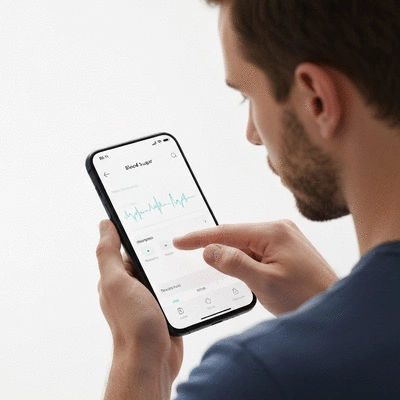
By understanding these fluctuations, you can better manage your diabetes. Keeping track of your blood sugar levels regularly will allow you to identify patterns and make necessary adjustments to your treatment plan.
The Importance of Monitoring Blood Sugar Levels
Monitoring blood sugar levels is a critical aspect of diabetes management. Regular checks can help you maintain your glucose levels within the target range, preventing serious health complications. At What Is Diabetes, I emphasize the significance of being proactive in your care.
- Identify Trends: Regular monitoring helps you see patterns in your blood sugar levels, enabling you to adjust your diet or medication as needed.
- Prevent Complications: Keeping your glucose levels stable reduces the risk of long-term complications such as heart disease, kidney damage, and neuropathy.
- Make Informed Choices: Understanding how different foods and activities affect your blood sugar empowers you to make healthier choices.
Effective monitoring not only enhances your peace of mind but enables you to take control of your diabetes. Remember, knowledge is power when it comes to managing your health!
Identifying Symptoms of Hypoglycemia and Hyperglycemia
Recognizing the symptoms of both low (hypoglycemia) and high (hyperglycemia) blood sugar is essential for prompt intervention. Understanding these signals can help you respond quickly and effectively to potential health threats. Let's dive deeper into what to look for.
Pro Tip
Did you know? Regularly tracking your blood sugar levels at different times of the day can provide crucial insights into how your body reacts to various foods and activities. By identifying patterns, you can make more informed decisions that help stabilize your glucose levels and enhance your overall diabetes management.
Long-Term Management and Prevention of Blood Sugar Fluctuations
Managing blood sugar levels is a continuous journey, and understanding how to maintain stability over the long term is essential. At What Is Diabetes, we emphasize the importance of daily monitoring and proactive strategies. By implementing effective management techniques, you can significantly reduce the frequency of dangerous fluctuations.
Let’s dive into some practical strategies that can help you keep your blood sugar levels in check and prevent complications.
Strategies for Daily Monitoring and Management
Daily monitoring is crucial for those living with diabetes. Here are some effective strategies:
- Using Continuous Glucose Monitoring (CGM) Effectively: A CGM device can provide real-time data about your glucose levels, allowing for timely adjustments. It’s a game changer in understanding your body’s response to food, activity, and stress.
- Apps and Tools for Blood Sugar Tracking: There are many apps available that can help you log your blood sugar readings, meals, and activities. Choose one that fits your lifestyle to make tracking simpler and more efficient!
- Understanding the A1C Test and Its Importance: Regular A1C tests help you see your average blood glucose levels over the past two to three months. Keeping this number below 7% is generally recommended for most adults with diabetes.
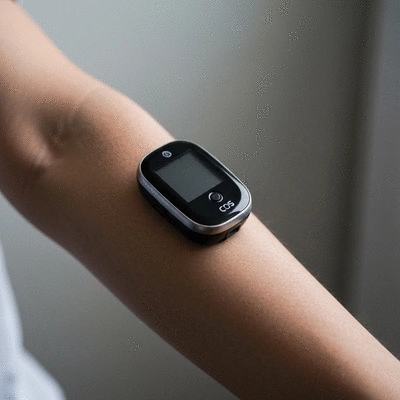
By utilizing these tools, you can gain a better understanding of how different factors affect your blood sugar levels, leading to more informed decisions regarding your health.
Healthy Lifestyle Choices to Prevent Fluctuations
Adopting healthy lifestyle choices is another key component in managing blood sugar levels. Here are some actionable tips:
- Dietary Adjustments and Nutritional Guidelines: Focus on a balanced diet rich in whole foods, such as vegetables, fruits, whole grains, and lean proteins. These foods stabilize blood sugar and provide lasting energy.
- Stress Management Techniques: Stress can lead to fluctuations in blood sugar, so practicing relaxation techniques like deep breathing, meditation, or yoga can be beneficial. Understanding how to manage stress is crucial for overall well-being, as highlighted by resources like the Substance Abuse and Mental Health Services Administration (SAMHSA) and the National Institute of Mental Health (NIMH). They provide valuable insights into supporting mental health and managing stress effectively.
- Incorporating Exercise into Your Diabetes Management Plan: Regular physical activity helps improve insulin sensitivity and lowers blood sugar levels. Aim for at least 150 minutes of moderate exercise each week!
By making these lifestyle adjustments, you can foster better blood sugar control and overall well-being. Remember, it’s all about taking small, sustainable steps toward your health goals!
Frequently Asked Questions (FAQs)
Q1: What are the main types of blood sugar fluctuations?
A1: The main types are hyperglycemia (high blood sugar, often due to insufficient insulin) and hypoglycemia (low blood sugar, which can occur from missed meals or too much insulin).
Q2: Why is regular monitoring of blood sugar levels important?
A2: Regular monitoring helps identify trends, allows for timely adjustments to diet or medication, prevents long-term complications like heart disease, and empowers individuals to make informed choices about their health.
Q3: What are some effective strategies for daily blood sugar management?
A3: Effective strategies include using Continuous Glucose Monitoring (CGM) devices for real-time data, utilizing tracking apps to log readings and activities, and undergoing regular A1C tests to measure average glucose levels over time.
Q4: How can healthy lifestyle choices help prevent blood sugar fluctuations?
A4: Healthy lifestyle choices such as a balanced diet rich in whole foods, effective stress management techniques (like yoga or meditation), and regular physical exercise (improving insulin sensitivity) are crucial for stabilizing blood sugar levels.
Q5: Where can I find more information on managing stress to help with blood sugar control?
A5: For more information on managing stress, you can refer to resources from organizations like the Substance Abuse and Mental Health Services Administration (SAMHSA) and the National Institute of Mental Health (NIMH) which offer valuable guidance on mental health and stress management.
Recap of Key Points
Here is a quick recap of the important points discussed in the article:
- Understand Blood Sugar Fluctuations: Recognize the difference between hyperglycemia (high blood sugar) and hypoglycemia (low blood sugar) and their symptoms.
- Regular Monitoring: Keep track of your blood sugar levels to identify patterns and make informed decisions regarding diet and medication.
- Utilize Technology: Make use of Continuous Glucose Monitoring (CGM) devices and tracking apps to enhance your diabetes management.
- Healthy Lifestyle Choices: Focus on a balanced diet, manage stress effectively, and incorporate regular exercise into your routine to stabilize blood sugar levels.
- Be Proactive: Regularly consult your healthcare provider and understand the importance of A1C tests in assessing your long-term blood sugar control.