Glycemic Index: Foods for Stability
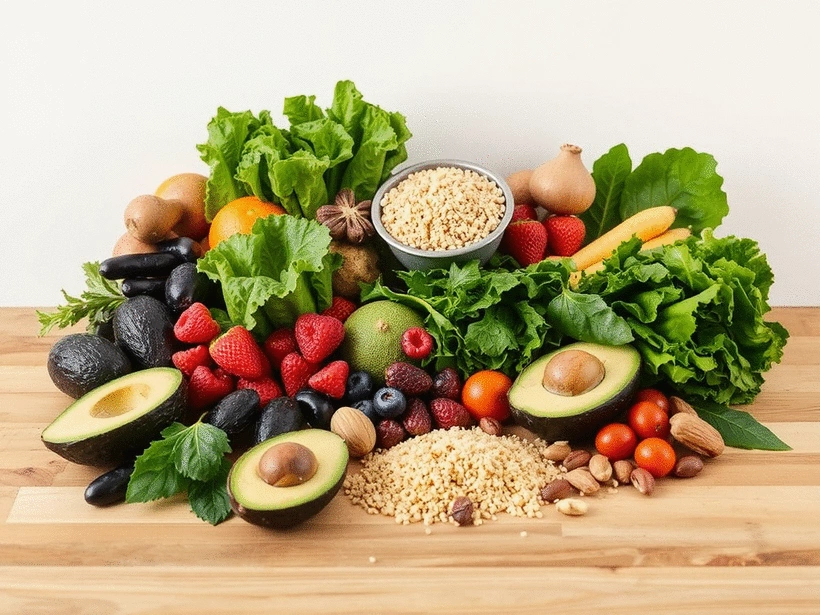
Are you aware that understanding the glycemic index (GI) can transform your approach to managing blood sugar levels? This powerful tool categorizes foods based on their impact on your body, enabling you to make smarter dietary choices.
What You Will Learn
- The glycemic index (GI) ranks foods from low to high, helping you understand their effect on blood sugar.
- Low GI foods (below 55) promote steady energy levels and reduce hunger, while high GI foods can lead to rapid spikes and crashes.
- Incorporating low and medium GI foods into your diet enhances insulin sensitivity and stabilizes blood sugar levels.
- Practical tips for meal planning include starting with low GI foods, balancing your plate, and preparing meals in advance.
Glycemic Index Categories and Their Impact on Blood Sugar
Understanding how different foods affect your blood sugar is crucial for effective management. The Glycemic Index (GI) classifies foods into three categories based on their impact.
Low GI Foods (<55)
Digested slowly, causing a gradual rise in blood sugar. Ideal for maintaining steady energy and reducing hunger.
- Whole grains
- Legumes
- Non-starchy vegetables
Medium GI Foods (56-69)
Provide a moderate rise in blood sugar. Can be incorporated into a balanced diet.
- Sweet potatoes
- Many fruits
High GI Foods (70+)
Cause rapid spikes in blood sugar. Should be consumed in moderation, especially for individuals managing diabetes.
- White bread
- Pastries
- Sugary drinks
Role of Insulin
Insulin helps cells absorb glucose. Low GI foods improve insulin sensitivity and stabilize blood sugar.
- Improves insulin sensitivity
- Reduces burden on pancreas
- Lowers risk of complications
Understanding the Glycemic Index and Its Importance for Blood Sugar Management
When it comes to managing blood sugar levels, understanding the glycemic index (GI) can be a game changer. The glycemic index is a system that ranks foods based on their effect on blood sugar levels. By knowing how different foods affect your body, you can make more informed choices that align with your health goals. At What Is Diabetes, we believe that empowering yourself with this knowledge is vital for effective diabetes management!
The GI scale ranges from 0 to 100, where higher values indicate a rapid increase in blood sugar levels after eating a particular food. Foods with a low GI score are digested slowly, resulting in a gradual rise in blood sugar, while high GI foods can cause quick spikes. This understanding is essential, especially for individuals managing diabetes, where stable blood sugar levels are crucial.

Defining Glycemic Index: What Does It Mean?
The glycemic index is classified into three categories: low (<55), medium (56-69), and high (70+). Low GI foods are ideal as they help maintain steady energy levels and keep hunger at bay. On the other hand, high GI foods can lead to energy crashes and increased hunger soon after consumption. To better manage your blood sugar, focusing on low to medium GI foods is a smart strategy!
- Low GI Foods: Whole grains, legumes, and non-starchy vegetables
- Medium GI Foods: Sweet potatoes and many fruits
- High GI Foods: White bread, pastries, and sugary drinks
Understanding these categories can help you make choices that support your health. By incorporating more low and medium GI foods, you can improve your blood sugar control and overall well-being.
How Glycemic Index Affects Blood Sugar Levels
The glycemic index significantly impacts how your body processes food. When you consume high GI foods, your body quickly breaks them down into glucose, leading to a rapid elevation in blood sugar levels. This spike triggers insulin release, which helps cells absorb glucose. However, frequent spikes can lead to insulin resistance, a common concern for those with diabetes.
On the flip side, low GI foods provide a steadier supply of glucose, which helps prevent those sudden spikes and crashes. This steadiness is beneficial for maintaining energy throughout the day and can also reduce cravings—an essential factor for anyone looking to manage their diet effectively.
The Role of Insulin in Blood Sugar Regulation
Insulin plays a critical role in blood sugar regulation. When you consume carbohydrates, your body converts them into glucose, which enters your bloodstream. In response, your pancreas releases insulin to help cells take in glucose for energy or storage. For those with diabetes, this process may be impaired, making it vital to choose foods wisely.
- Insulin Sensitivity: Low GI foods help improve insulin sensitivity, allowing your body to use insulin more effectively.
- Blood Sugar Stability: By preventing sharp spikes in blood sugar, low GI foods can reduce the burden on your pancreas.
- Long-Term Health: Consistently managing blood sugar levels can lower the risk of diabetes-related complications.
By understanding the role of insulin and how the glycemic index affects your blood sugar, you can take proactive steps to manage your health better. Knowledge is power, and at What Is Diabetes, we are here to support you every step of the way!
Pro Tip
Did you know? Combining low GI foods with healthy fats and proteins can enhance your meal's overall glycemic response. For example, pairing whole grain bread with avocado or nut butter not only keeps your blood sugar stable but also increases satiety, helping you avoid unhealthy snacking later!
Summarizing the Key Takeaways for Healthy Blood Sugar Levels
Maintaining healthy blood sugar levels is crucial for overall well-being, especially for those managing diabetes. One of the best ways to achieve this is by integrating the glycemic index (GI) into your daily diet. By understanding which foods have low, medium, or high GI ratings, you can make informed choices that promote better blood sugar control. Let’s explore how to effectively incorporate GI into your meals!
Incorporating the glycemic index is about more than just numbers; it's about empowering yourself with knowledge. Remember, it’s important to consider not just the GI of a food, but also how it fits into your overall dietary patterns. Are you ready to take control of your health with the glycemic index?
FAQs About the Glycemic Index and Blood Sugar Management
- What is the Glycemic Index (GI)?
- The Glycemic Index (GI) is a system that ranks foods based on how quickly they raise your blood sugar levels after consumption. Foods are categorized as low (below 55), medium (56-69), or high (70+).
- Why is understanding the GI important for managing blood sugar?
- Understanding the GI helps you make informed dietary choices. Low GI foods lead to a gradual rise in blood sugar, promoting steady energy and better control, which is crucial for individuals managing diabetes to avoid rapid spikes and crashes.
- What are examples of low, medium, and high GI foods?
- Low GI foods include whole grains, legumes, and non-starchy vegetables. Medium GI foods are sweet potatoes and many fruits. High GI foods consist of white bread, pastries, and sugary drinks.
- How do low GI foods improve insulin sensitivity?
- Low GI foods provide a slow and steady release of glucose into the bloodstream, which reduces the demand on the pancreas to produce insulin. This consistent, moderate demand helps improve the body's sensitivity to insulin over time, making it more effective at managing blood sugar.
- Should I only eat low GI foods?
- While prioritizing low GI foods is beneficial, a balanced diet can also include medium GI foods. High GI foods should be consumed in moderation, especially for those managing diabetes. The key is to balance your plate with a variety of foods, including proteins and healthy fats, to moderate the overall glycemic response of your meals.

Integrating Glycemic Index into Your Daily Diet
To successfully integrate the glycemic index into your daily meals, consider these practical tips:
- Start with Low GI Foods: Incorporate more low GI foods into your breakfast and snacks. These foods release glucose gradually, helping you feel energized without spikes in blood sugar.
- Balance Your Plate: Aim to combine low and medium GI foods with proteins and healthy fats at each meal. This combination can help moderate the overall glycemic response.
- Plan Your Meals: Use a meal planning approach that includes a mix of low and medium GI foods. This strategy can simplify grocery shopping and meal preparation. Research suggests that adherence to a low-GI diet can have significant benefits for metabolic health.
By adopting these strategies, you can create a more balanced diet that supports stable blood sugar levels. Remember, it's a journey, and I'm here to support you along the way!
Next Steps: Implementing Low and Medium GI Foods in Your Meals
Now that you have a foundation for understanding the glycemic index, it’s time to take actionable steps towards healthier eating. Here’s how you can implement low and medium GI foods into your meals:
- Choose Whole Grains: Switch from white bread to whole grain options like quinoa or brown rice.
- Snack Smart: Opt for snacks that include nuts, seeds, or Greek yogurt, as these have lower GI values.
- Incorporate More Vegetables: Fill half your plate with non-starchy vegetables—they're generally low GI and nutrient-dense!
These small changes can make a significant difference over time. I encourage you to keep track of how different foods affect your blood sugar levels, as this can provide valuable insights into your personal health journey.
Engaging with the Community: Share Your Experiences and Questions
Connecting with others can be a powerful motivator in your health journey! At What Is Diabetes, we believe that sharing experiences not only builds community but also enhances your understanding of diabetes management. Have you implemented any of the tips mentioned? I'd love to hear your thoughts!
Engagement can lead to new insights and encouragement, whether through discussions about meal planning or sharing success stories about managing blood sugar effectively.
Inviting Reader Feedback and Sharing Success Stories
Your feedback is invaluable! I invite you to share your experiences with glycemic index foods and how they have impacted your blood sugar levels. What challenges have you faced? What successes have you celebrated? By sharing, we can learn from one another and foster a supportive environment. Studies continue to highlight the benefits of a low-GI diet in various health contexts.
Encouraging Consultation with Health Professionals for Personalized Nutrition
While understanding the glycemic index is important, I always recommend consulting with healthcare professionals for personalized nutrition advice. They can help tailor a diet plan that meets your unique health needs and supports your diabetes management goals. Remember, you are not alone on this journey, and seeking guidance is a sign of strength!
Recap of Key Points
Here is a quick recap of the important points discussed in the article:
- Understanding the glycemic index (GI) helps in managing blood sugar levels effectively.
- Low GI foods (less than 55) are beneficial for steady energy and hunger control.
- High GI foods can lead to rapid spikes in blood sugar, which can be harmful over time.
- Incorporating low and medium GI foods into your diet can improve insulin sensitivity.
- Meal planning with a mix of low and medium GI foods can simplify your dietary choices.