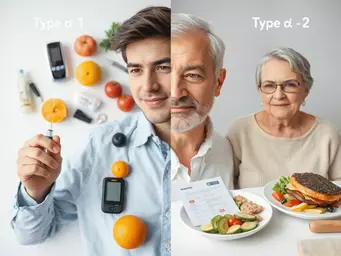
Managing Diabetes: Lifestyle Strategies

Have you ever considered how much your daily choices impact your health? Managing diabetes effectively goes beyond medication; it requires a comprehensive understanding of your unique needs and challenges. Let's explore the essential insights that can empower you on this journey.
What You Will Learn
- Types of Diabetes: Understand the key differences between Type 1, Type 2, and Gestational Diabetes and their management needs.
- Common Lifestyle Challenges: Recognize the difficulties diabetics face, such as meal timing, cravings, and fitting exercise into busy lives.
- Importance of Blood Sugar Monitoring: Learn how regular monitoring informs dietary and activity decisions, leading to better health outcomes.
- Individualized Management Plans: Discover the long-term benefits of personalized strategies in improving blood sugar control and overall well-being.
- Essential Resources: Gain access to valuable support resources, including online forums, webinars, and local support groups.
- Engagement with Healthcare Professionals: Understand the advantages of collaborating with your healthcare team for tailored advice and goal setting.
- Utilizing Technology: Explore how apps and wearable devices can enhance tracking and motivation in managing diabetes effectively.
Diabetes Types and Management Overview
This visual summarizes the key characteristics, challenges, and management strategies across the three main types of diabetes.
Understanding Diabetes Types
- Type 1: Autoimmune, insulin deficiency.
- Type 2: Insulin resistance, often lifestyle-related.
- Gestational: Temporary during pregnancy.
Each type requires distinct management strategies.
Lifestyle Challenges
- Maintaining healthy eating habits.
- Balancing blood sugar levels.
- Finding time for regular exercise.
Recognizing obstacles is key to overcoming them.
Blood Sugar Monitoring
- Use meters or CGMs for data.
- Identify patterns in readings.
- Adjust plans based on results.
Crucial for informed decisions and healthier life.
Benefits of Individualized Plans
- Improved control: Stable glucose levels.
- Reduced complications: Prevents long-term issues.
- Enhanced well-being: Empowered engagement.
Tailored strategies lead to better adherence and outcomes.
Understanding Diabetes Types and Their Unique Management Needs
Understanding diabetes is crucial for effective management. There are three main types of diabetes: Type 1, Type 2, and Gestational Diabetes. Each type has unique characteristics and management needs that can significantly impact daily life.
Type 1 diabetes occurs when the body does not produce insulin. It is often diagnosed in children and young adults. In contrast, Type 2 diabetes is more common and typically develops in adults, often linked to lifestyle factors. Lastly, gestational diabetes affects pregnant women and usually resolves after childbirth but can pose risks for both mother and child.
Defining Type 1, Type 2, and Gestational Diabetes
- Type 1 Diabetes: An autoimmune condition leading to insulin deficiency.
- Type 2 Diabetes: Characterized by insulin resistance and often associated with obesity.
- Gestational Diabetes: A temporary form during pregnancy that requires monitoring and management.
By recognizing these differences, you can better navigate your health journey. It's essential to understand how each type affects insulin production and ongoing management strategies.
Common Challenges Faced by Diabetics in Lifestyle Management
Living with diabetes can present several challenges, especially when it comes to managing your lifestyle. Many find it difficult to maintain healthy eating habits, balance their blood sugar levels, and stay active. These challenges can lead to stress, making it even harder to stick to a management plan.
- Balancing meal timing and insulin doses
- Dealing with cravings and emotional eating
- Finding time for exercise in a busy schedule
These obstacles don't have to derail your progress. Recognizing them is the first step toward finding effective solutions.
The Role of Blood Sugar Monitoring in Daily Management
Regular blood sugar monitoring is vital for anyone managing diabetes. It provides essential insights into how your body responds to food, exercise, and stress. By keeping track of your numbers, you can make informed decisions about your diet and activity levels.
- Use a blood glucose meter or continuous glucose monitor (CGM) for real-time data.
- Note patterns in your readings to identify potential issues.
- Adjust your management plan based on your results.
Monitoring helps you stay on track and make necessary adjustments, ensuring a healthier life with diabetes. For more guidance on effective blood sugar management strategies, consider resources like those provided by the CDC's clinical guidelines.
Pro Tip
Did you know? Regularly tracking your blood sugar levels not only helps you understand how your body reacts to different foods and activities but also empowers you to make proactive changes in your management plan. Consider setting a schedule for monitoring your levels—this consistency can lead to better control and improved health outcomes!
Summarizing the Importance of Effective Lifestyle Strategies
When it comes to managing diabetes, having a well-thought-out lifestyle strategy is essential. Effective lifestyle management plans can make a significant difference in preventing complications and improving daily quality of life. From personal experience, I've seen how individualized approaches resonate with patients and lead to better adherence to management recommendations. Let's dive into some key aspects of why these strategies matter.
Long-Term Benefits of Individualized Management Plans
Each person with diabetes has unique needs, making it crucial to tailor management plans accordingly. Individualized strategies often lead to a variety of long-term benefits, including:
- Improved blood sugar control: Custom plans help maintain stable glucose levels.
- Reduced risk of complications: Proper management can prevent long-term complications associated with diabetes.
- Enhanced overall well-being: When patients feel empowered, they’re more likely to engage in their care.
By focusing on personalized management, we can help individuals achieve their health goals and live healthier lives. It’s rewarding to see patients take charge of their diabetes with the right tools and support! The American Diabetes Association's Standards of Care provides comprehensive guidance on these individualized approaches.
Resources for Ongoing Support and Education
Having access to reliable resources is vital for anyone navigating their diabetes journey. Here are some valuable resources that I recommend:
- Online diabetes forums: Platforms where individuals share experiences and strategies.
- Educational webinars: These can provide insights into diabetes management from experts.
- Local support groups: Connecting with others can foster community and motivation.
At What Is Diabetes, we strive to be a comprehensive resource, offering educational materials and support that empower individuals to take control of their health. Remember, knowledge is power!
Diabetes Education: Empowering Patients for Self-Management
Education plays a pivotal role in diabetes management. When individuals understand their condition and how to manage it effectively, they are more likely to make informed choices. Here are key educational topics that can empower patients:
- Understanding diabetes types: Knowing the differences can shape management strategies.
- Nutrition basics: Learning about carbohydrates, fats, and proteins can guide meal planning.
- Blood sugar monitoring: Understanding how to track and respond to blood sugar levels is essential.
By focusing on education, we give individuals the tools they need for successful self-management. This empowerment is at the heart of what we do at What Is Diabetes.
Encouraging Proactive Diabetes Management
Proactive management of diabetes is crucial for long-term health. Engaging in your care and making informed decisions can lead to improved outcomes. Let's explore strategies that encourage this proactive approach.
Engaging with Healthcare Professionals for Tailored Plans
Don't hesitate to reach out to your healthcare team! Building a relationship with your doctors or diabetes educators can lead to tailored management plans that suit your lifestyle. Here are some key benefits:
- Personalized advice: Healthcare professionals can offer insights specific to your health needs.
- Regular check-ins: Consistent communication helps adjust plans as needed.
- Support in goal setting: Working together can lead to realistic and achievable health goals.
Engaging with your healthcare team is a proactive step towards better diabetes management. Remember, we’re all in this together! The American Heart Association also emphasizes the importance of living healthy with diabetes through professional guidance.
Utilizing Tech Tools for Tracking Progress and Keeping Motivated
In our digital age, technology can be your ally in managing diabetes. Various tools can help you track progress and stay motivated. Consider these options:
- Mobile apps: Many apps allow you to log food intake, medication, and blood sugar levels.
- Wearable devices: Fitness trackers and smartwatches can monitor physical activity.
- Online communities: Engaging with others online can provide motivation and accountability.
Incorporating technology into your management plan not only makes tracking easier but also keeps you motivated to reach your goals!
The Role of Diabetes Apps in Everyday Management
Diabetes management apps are designed to simplify daily routines. They can be invaluable tools for anyone living with diabetes. Here’s what they offer:
- Easy tracking: Log blood sugar levels, meals, and medication in one place.
- Insights and analytics: Many apps provide data visualization to help you understand trends.
- Reminders: Set alerts for medication, testing, and appointments.
At What Is Diabetes, I encourage everyone to explore these tools and find one that fits their needs. Technology can enhance your diabetes management experience and empower you to take control of your health!
Frequently Asked Questions About Diabetes Management
Q: What are the main types of diabetes?
A: The three main types are Type 1 (autoimmune, insulin deficiency), Type 2 (insulin resistance, often lifestyle-related), and Gestational Diabetes (temporary during pregnancy).
Q: Why is blood sugar monitoring important?
A: Regular monitoring provides crucial insights into how your body responds to food, exercise, and stress, enabling informed decisions about diet and activity levels for better health outcomes.
Q: What are the benefits of individualized management plans?
A: Individualized plans lead to improved blood sugar control, reduced risk of long-term complications, and enhanced overall well-being by tailoring strategies to unique patient needs.
Q: How can technology assist in diabetes management?
A: Mobile apps and wearable devices can help track blood sugar levels, food intake, medication, and physical activity, providing insights and motivation for better adherence to management plans.
Q: Where can I find support and education for diabetes?
A: Valuable resources include online diabetes forums, educational webinars from experts, and local support groups that provide community and motivation. Engaging with healthcare professionals also offers tailored advice and goal setting.
Recap of Key Points
Here is a quick recap of the important points discussed in the article:
- Type 1 Diabetes: An autoimmune condition leading to insulin deficiency, typically diagnosed in children and young adults.
- Type 2 Diabetes: More common and often linked to lifestyle factors, characterized by insulin resistance.
- Gestational Diabetes: A temporary condition during pregnancy that requires monitoring and usually resolves after childbirth.
- Regular Blood Sugar Monitoring: Essential for informed decisions about diet and activity levels; use meters or continuous glucose monitors.
- Individualized Management Plans: Tailoring strategies to personal needs can improve blood sugar control and enhance overall well-being.
- Utilizing Technology: Apps and wearable devices can help track progress and motivate healthier choices.