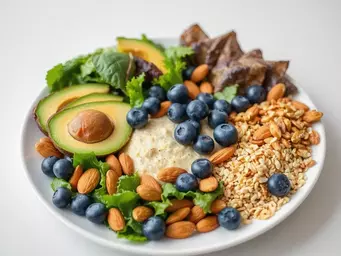
Diabetes-Friendly Shopping on a Budget

What if you could take control of your health and your budget at the same time? Eating diabetes-friendly foods doesn't have to strain your finances. Here are some insightful strategies to help you manage diabetes effectively while keeping costs down.
What You Will Learn
- Understanding diabetes-friendly foods: Focus on whole grains, non-starchy vegetables, lean proteins, and healthy fats.
- The importance of budgeting: Set a weekly grocery budget and plan meals to avoid impulsive purchases.
- Incorporating low-glycemic index foods: Include options like legumes, fruits, and whole grains to manage blood sugar effectively.
- Smart shopping strategies: Plan ahead, utilize seasonal produce, and take advantage of discounts and bulk buying.
- Community engagement: Utilize local resources and programs for support and education in diabetes management.
- Creating a personalized shopping plan: Identify preferred foods, draft a meal plan, and stick to a specific budget.
- Continuous education and engagement: Incorporate learning into your routine through articles, webinars, and community sharing.
Making Diabetes-Friendly Choices on a Budget
Understanding which foods support stable blood sugar without straining your finances is key to effective diabetes management. Below, we highlight essential food categories and practical shopping strategies.
Defining Diabetes-Friendly Foods
Foods that stabilize blood sugar, rich in fiber, lean proteins, and healthy fats.
- Whole Grains (brown rice, quinoa)
- Non-Starchy Vegetables (leafy greens)
- Lean Proteins (chicken, fish)
The Importance of Budgeting
Budgeting ensures informed, healthy choices and avoids impulsive, unhealthy food purchases.
- Set a weekly grocery budget
- Plan meals with seasonal produce
- Look for sales & discounts
Low-Glycemic Index Foods
These foods cause a gradual rise in blood sugar, preventing spikes and aiding management.
- Legumes (lentils, chickpeas)
- Fruits (apples, berries)
- Whole Grains (barley, bulgur)
Practical Shopping Strategies
Smart shopping helps maintain blood sugar levels without overspending.
- Plan meals ahead
- Focus on affordable staples
- Utilize coupons & buy in bulk
Understanding Diabetes-Friendly Foods on a Budget
Eating well with diabetes doesn’t have to break the bank! At What Is Diabetes, we understand that many people are concerned about managing their health while also sticking to a budget. That’s why it’s essential to explore diabetes-friendly foods that not only support your health but also fit your financial plan.
So, what does it mean to be a diabetes-friendly food? Essentially, these foods are those that help maintain stable blood sugar levels while providing the nutrients your body needs. This includes a variety of whole foods rich in fiber, lean proteins, healthy fats, and low-glycemic options.

Defining Diabetes-Friendly Foods
When we talk about diabetes-friendly foods, we focus on items that have a low impact on blood glucose levels. Here are some categories to consider:
- Whole Grains: Such as brown rice, quinoa, and whole oats that release energy slowly.
- Non-Starchy Vegetables: Think leafy greens, peppers, and broccoli.
- Lean Proteins: Options like chicken, turkey, and fish that support muscle health.
- Healthy Fats: Such as nuts, seeds, avocados, and olive oil.
Incorporating these foods into your meals can provide the nutrients necessary for managing diabetes effectively while helping you avoid those pesky blood sugar spikes! The American Diabetes Association's annual reports often highlight the importance of such dietary choices.
The Importance of Budgeting for Healthy Eating
Budgeting for healthy eating is crucial for everyone, especially for those managing diabetes. It not only helps you save money but also ensures that you are making informed choices about what goes on your plate.
By planning your meals and snacks around diabetes-friendly foods, you can avoid impulsive purchases that often lead to unhealthy options. Here are some tips for effective budgeting:
- Set a weekly grocery budget that includes only diabetes-friendly foods.
- Plan your meals for the week based on seasonal produce for better prices.
- Look for sales and discounts on healthy foods.
Remember, being mindful of your spending doesn’t mean compromising on your health. It’s about making smarter choices! For more insights into budgeting for healthy meals, the CDC offers valuable tips on eating healthy on a budget.
Exploring Low-Glycemic Index Foods for Diabetes Management
Understanding the glycemic index (GI) is an essential part of managing diabetes. Foods with a low GI are digested slowly and cause a gradual rise in blood sugar levels. This can help prevent spikes that make managing diabetes more challenging.
Here are some examples of low-glycemic foods to incorporate into your diet:
- Legumes like lentils and chickpeas
- Fruits such as apples, berries, and pears
- Non-starchy vegetables including carrots and bell peppers
- Whole grains like barley and bulgur
Incorporating these foods can be cost-effective and beneficial for maintaining stable blood sugar levels. Plus, they offer a variety of flavors and textures that can keep meals interesting! Research published on PMC NCBI further supports the positive impact of low-glycemic diets on diabetes management.
Pro Tip
When shopping for diabetes-friendly foods, consider incorporating frozen fruits and vegetables into your diet. They are often more affordable than fresh produce, have a longer shelf life, and maintain their nutritional value. This way, you can always have healthy options on hand without worrying about spoilage!
Summarizing Practical Shopping Strategies
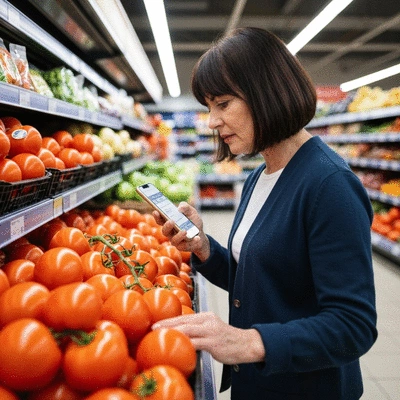
When it comes to managing diabetes, understanding how to shop smart can make a world of difference—especially on a budget! Here are key strategies that can help you navigate your grocery shopping while keeping your health and finances in check:
- Plan your meals ahead of time to avoid impulse buys.
- Focus on affordable staples like whole grains and legumes.
- Make use of seasonal produce for better prices and nutrients.
- Utilize coupons and apps for discounts on healthier options.
- Buy in bulk when possible to save money on essentials.
By implementing these budget-friendly grocery shopping strategies, you'll be on your way to maintaining your blood sugar levels without breaking the bank. Planning is key, and every little effort counts toward a healthier you!
Resources for Ongoing Support and Tips
Finding the right information and support can empower you on your diabetes journey. At What Is Diabetes, we provide a wealth of resources tailored to your needs. Here are some suggestions to keep you informed:
- Check out our comprehensive guides on diabetes management and meal planning.
- Participate in local diabetes support groups for community advice.
- Follow us on social media for regular tips and recipes.
- Subscribe to our newsletter for updates on the latest research and resources.
Staying connected to both our community and the latest information can be a game-changer! By taking advantage of these resources, you’ll be better equipped to make informed choices every day.
Encouraging Sustainable Healthy Choices
Engaging with Community Resources and Programs
Building a healthy lifestyle isn't just about personal choices; it's also about community support. Engaging with local resources can enhance your diabetes management. Look for:
- Community health fairs that offer screenings and education.
- Local programs focused on healthy cooking classes.
- Workshops hosted by nutritionists and diabetes educators.
- Online forums for sharing experiences and tips with others.
These resources not only help you learn but also connect you with others who share similar goals. Remember, community matters when it comes to making lasting changes!
Acting on Your Knowledge: Creating Your Personalized Shopping Plan
Now that you have the knowledge, it’s time to put it into action! Start by creating a personalized shopping plan that suits your dietary needs and budget. Here’s how:
- Identify your favorite diabetes-friendly foods and prioritize them.
- Draft a weekly meal plan that incorporates these foods.
- Make a grocery list that aligns with your budget and planned meals.
- Set a specific budget for each shopping trip to stay on track.
By following these steps, you’ll feel more prepared and less overwhelmed when you head to the store. Plus, sticking to your plan can lead to healthier choices and greater savings!
Incorporating Diabetes Education into Your Daily Routine
Education is a continuous journey, especially regarding diabetes management. Incorporate learning into your daily routine by:
- Setting aside time each week to read articles or watch videos on diabetes care.
- Joining online webinars or workshops hosted by healthcare professionals.
- Engaging with educational content from What Is Diabetes to stay updated.
- Reflecting on your experiences and sharing them with others for mutual growth.
Staying informed and proactive will lead to better health outcomes. Remember, every small step toward education is a step toward empowering your health!
Frequently Asked Questions
- What are diabetes-friendly foods? Diabetes-friendly foods are those that help maintain stable blood sugar levels. They are typically rich in fiber, lean proteins, healthy fats, and have a low glycemic index, such as whole grains, non-starchy vegetables, and legumes.
- Why is budgeting important for managing diabetes? Budgeting helps you make intentional, healthy food choices and prevents impulsive purchases of unhealthy options. It ensures you can consistently afford and access foods that support stable blood sugar levels.
- What are low-glycemic index (GI) foods and why are they important? Low-GI foods are digested slowly, causing a gradual rise in blood sugar levels rather than sharp spikes. Examples include lentils, berries, barley, and most non-starchy vegetables, which are crucial for effective diabetes management.
- What are some smart shopping strategies for diabetes-friendly foods on a budget? Key strategies include planning meals ahead, focusing on affordable staples, utilizing seasonal produce, using coupons and apps for discounts, and buying in bulk when appropriate.
- How can community resources help with diabetes management? Community resources like health fairs, cooking classes, workshops with nutritionists, and online forums provide education, support, and connections with others, which are vital for sustained healthy lifestyle changes.
- How can I create a personalized shopping plan? Start by identifying your preferred diabetes-friendly foods, draft a weekly meal plan around them, create a grocery list that aligns with your budget, and set a specific spending limit for each shopping trip.
Recap of Key Points
Here is a quick recap of the important points discussed in the article:
- Diabetes-friendly foods help maintain stable blood sugar levels and include whole grains, non-starchy vegetables, lean proteins, and healthy fats.
- Budgeting for healthy eating is essential; set a grocery budget focused on diabetes-friendly foods and plan meals around seasonal produce.
- Incorporate low-glycemic index foods such as legumes, fruits, and whole grains to help manage blood sugar levels effectively.
- Smart shopping strategies include planning meals, utilizing coupons, and buying in bulk to save money while maintaining a healthy diet.
- Engage with community resources such as health fairs and cooking classes to enhance diabetes management and connect with others.
- Create a personalized shopping plan that aligns with dietary needs and budget to make grocery shopping more manageable and effective.